Understanding Bodega Coolers

Bodegas, ranging from small family wineries to large enterprises, store and produce wine; modern bodega coolers blend restaurant and wine bar concepts.
What is a Bodega Cooler?
A bodega cooler, originating from the Spanish term for a wine cellar or storage – bodegas – has evolved beyond simple wine preservation. Historically, a bodega was a place for both wine production and storage, encompassing everything from small, family-run vineyards to expansive commercial enterprises. Today, the term often describes establishments blending restaurant and wine bar atmospheres.
These coolers aren’t merely refrigerators; they’re designed to maintain optimal conditions for beverages, often with specialized features for wine. They can range in size, serving diverse purposes from home use to commercial settings like restaurants and bars. The essence of a bodega cooler lies in its ability to replicate the cool, dark environment traditionally used for aging and storing wine, ensuring quality and flavor preservation.
History and Origins of Bodega Coolers
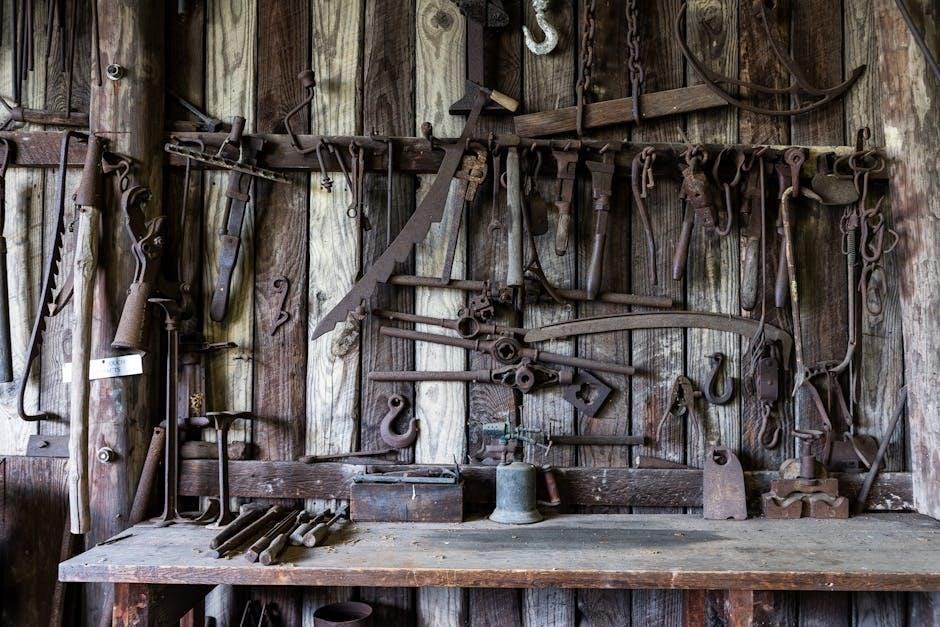
The roots of bodega coolers trace back to the historical bodegas of Spain, traditionally functioning as wine cellars and, often, production facilities. These spaces, ranging from humble family operations to large-scale wineries, prioritized cool, dark storage to preserve wine quality. Over time, the concept expanded beyond Spain, influencing similar establishments across cultures – Russian traktirs, Ukrainian korchmy, and even Italian cabarets.
The modern bodega cooler evolved as refrigeration technology advanced, allowing for controlled environments mimicking natural cellars. This led to the integration of wine storage with hospitality, creating spaces like the atmospheric restaurants and bars found in Moscow, blending dining with wine appreciation. The core principle – preserving beverages at ideal temperatures – remains central to their origin.

Key Components of a Bodega Cooler
Bodega coolers utilize refrigeration systems, temperature controls, and adaptable shelving to maintain optimal conditions for beverage preservation and convenient storage solutions.
Refrigeration System Explained
Bodega coolers employ a closed-loop refrigeration cycle, similar to household refrigerators but often with enhanced capacity for rapid cooling and consistent temperature maintenance. The core components include a compressor, condenser, expansion valve, and evaporator. The compressor circulates refrigerant, increasing its pressure and temperature. This hot refrigerant then flows to the condenser, where it releases heat to the surrounding environment, transforming into a high-pressure liquid.
Next, the liquid refrigerant passes through an expansion valve, reducing its pressure and temperature dramatically. This cold, low-pressure refrigerant enters the evaporator, absorbing heat from the cooler’s interior, thus cooling the beverages. The now-warmed refrigerant returns to the compressor, completing the cycle. Efficient heat exchange and proper refrigerant levels are crucial for optimal performance, ensuring consistent cooling and energy efficiency within the bodega cooler.
Temperature Control Mechanisms
Bodega coolers utilize various mechanisms to maintain precise temperature settings, crucial for beverage preservation. Older models often feature a simple thermostat, allowing manual temperature adjustment. However, modern units increasingly incorporate digital control panels offering greater precision and functionality. These panels enable users to set desired temperatures accurately, often displaying both current and setpoint temperatures.
Advanced systems include programmable settings for different beverage types, optimizing cooling for wine, beer, or soft drinks. Some coolers also feature temperature alarms, alerting users to deviations from the set range. Proper calibration of the temperature sensors is essential for accurate control, ensuring consistent cooling performance and preventing spoilage. Regular monitoring and adjustment are key to maintaining optimal conditions.

Shelving and Storage Options
Bodega coolers offer diverse shelving and storage configurations to maximize space and accommodate various bottle and can sizes. Adjustable shelves are a common feature, allowing customization to fit taller items or create more tiered storage. Wire shelving promotes airflow, aiding in consistent cooling throughout the unit. Some models include specialized racks designed for wine bottles, cradling them securely to prevent movement and breakage.
Larger coolers may incorporate multiple zones with independent temperature control, ideal for storing different beverage types simultaneously. Consider the cooler’s capacity and your typical inventory when selecting a model. Efficient organization is key; grouping similar items and utilizing vertical space optimizes storage and accessibility.

Installation and Setup
Bodega establishments, like taverns or bars, require careful placement and electrical connections; ensure proper ventilation and safety precautions during setup and calibration.
Choosing the Right Location
Selecting the ideal location for your bodega cooler is paramount for optimal performance and longevity. Consider a space with adequate ventilation, avoiding direct sunlight or proximity to heat sources like ovens or radiators. The floor must be level and capable of supporting the cooler’s weight, especially when fully loaded with beverages.
Ensure sufficient clearance around the unit for proper airflow and ease of maintenance. Avoid damp or humid environments, as these can contribute to corrosion and reduce efficiency. Accessibility is also key; choose a location convenient for restocking and customer access, if applicable. Remember that, like a traditional bodega, accessibility and preservation are vital.
Electrical Requirements and Safety
Prioritize electrical safety during bodega cooler installation. Verify your electrical system meets the cooler’s voltage and amperage requirements, typically a dedicated circuit is recommended to prevent overloads. Always use a grounded outlet and avoid extension cords whenever possible. If an extension cord is absolutely necessary, ensure it’s heavy-duty and rated for the cooler’s power consumption.
Before any electrical work, disconnect power at the breaker. Improper wiring can create a fire hazard or damage the unit. Regularly inspect the power cord for damage and replace it immediately if frayed or worn; Like preserving the integrity of a traditional bodega, safety is paramount.
Initial Setup and Calibration
After electrical connection, allow the bodega cooler to stand upright for at least four hours before powering on, ensuring refrigerant settles. Once powered on, set the desired temperature using the control panel – consult the manual for specific instructions. Initial calibration may take several hours to reach the setpoint; avoid frequent adjustments during this period.
Verify the internal temperature with a separate thermometer to confirm accuracy. Proper setup, much like maintaining a traditional bodega’s conditions, is crucial for optimal preservation. Ensure shelving is securely installed and items are arranged to allow for proper air circulation.
Operation and Maintenance
Regular checks, cleaning, and prompt troubleshooting are vital for consistent performance, mirroring the care given to wines within a traditional bodega.
Daily Operational Checks
Consistent daily checks are paramount for maintaining optimal performance and preventing potential issues within your bodega cooler. Begin by visually inspecting the unit for any signs of condensation buildup, which could indicate a sealing problem or humidity issue. Verify the temperature display aligns with your desired settings, ensuring consistent cooling for stored beverages.
Listen attentively for any unusual noises emanating from the refrigeration system – humming, clicking, or rattling sounds could signal a developing mechanical fault. Confirm the door seals are intact and creating a tight closure, preventing warm air infiltration. Finally, briefly examine the shelving and storage areas for any spills or obstructions that might impede airflow or compromise hygiene. These simple, routine checks contribute significantly to the longevity and efficiency of your bodega cooler, much like the careful tending of a traditional bodega.
Cleaning Procedures
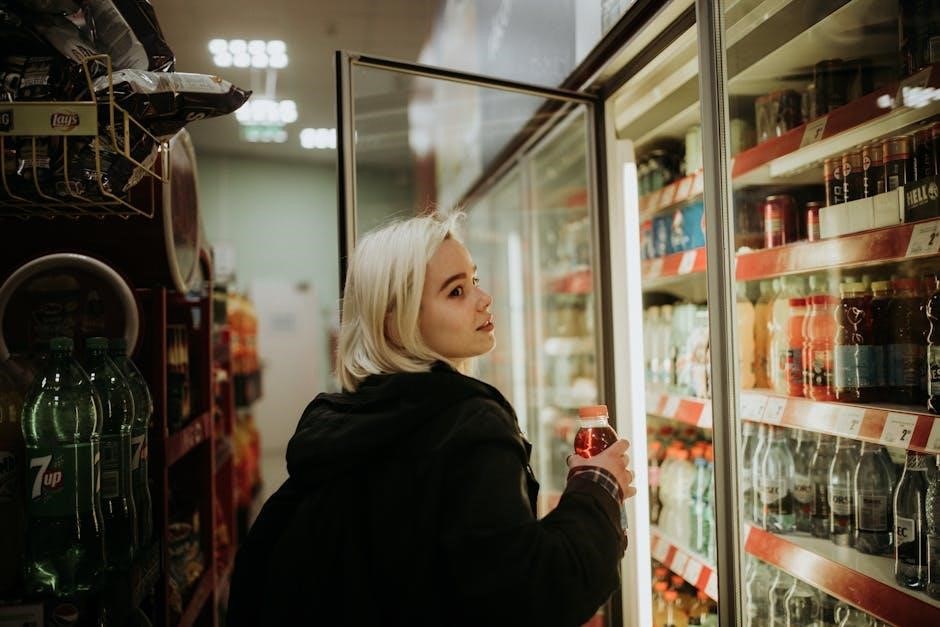
Regular cleaning is crucial for maintaining hygiene and optimal performance within your bodega cooler. Begin by disconnecting the unit from the power source to ensure safety. Remove all contents and shelving, washing them with warm, soapy water. For the interior surfaces, utilize a mild detergent and water solution, avoiding abrasive cleaners that could damage the finish.
Pay close attention to door seals, cleaning them thoroughly to maintain a tight closure. Rinse all surfaces with clean water and dry completely before reassembling. The exterior can be wiped down with a damp cloth. Remember, a clean bodega, like a well-maintained wine cellar, preserves the quality of its contents. Consistent cleaning prevents mold growth and ensures a fresh environment for your beverages.
Troubleshooting Common Issues
If your bodega cooler isn’t cooling, first check the power supply and ensure the unit is plugged in correctly. A tripped circuit breaker could also be the culprit. If cooling persists, inspect the condenser coils for dust accumulation – cleaning them can significantly improve performance. Unusual noises might indicate a failing fan motor or compressor; professional servicing is recommended in such cases.
For temperature inconsistencies, verify the thermostat setting and calibration. If ice builds up excessively, it could signal a defrost system malfunction. Addressing these issues promptly prevents further damage and maintains optimal storage conditions. Remember, regular maintenance, like a well-preserved bodega, extends the cooler’s lifespan.
Advanced Features & Settings
Bodega coolers often include digital control panels, energy-saving modes, and alarm systems for temperature fluctuations, enhancing wine preservation and operational efficiency.
Digital Control Panel Overview
The digital control panel is the central hub for managing your bodega cooler’s operation. Typically, it features a clear display showing the current internal temperature, alongside intuitive buttons or a touchscreen interface. Users can precisely adjust the desired temperature, often displayed in both Celsius and Fahrenheit, ensuring optimal wine storage conditions.
Many panels offer programmable settings, allowing for customized temperature profiles based on wine type or seasonal changes. Advanced models may include features like humidity control adjustments, defrost cycle initiation, and lighting controls. Error codes displayed on the panel can aid in troubleshooting potential issues, while some systems offer remote monitoring capabilities via smartphone apps. Familiarizing yourself with the panel’s functions is crucial for maximizing the cooler’s performance and preserving your wine collection.
Energy Saving Modes
Modern bodega coolers often incorporate energy-saving modes to reduce electricity consumption without compromising wine preservation. These modes typically operate by optimizing the cooling cycle based on usage patterns and ambient temperature. For instance, an “Eco” mode might slightly increase the internal temperature within acceptable wine storage ranges, reducing compressor activity.
Some coolers feature automatic night mode, lowering energy usage during periods of minimal door openings. Intelligent sensors can detect when the cooler is fully stocked, adjusting cooling intensity accordingly. Utilizing these features not only lowers your energy bill but also contributes to a more sustainable operation. Consult your cooler’s manual for specific energy-saving options and recommended settings for optimal efficiency.
Alarm Systems and Notifications
Advanced bodega coolers frequently include sophisticated alarm systems to protect your wine investment; These systems monitor critical parameters like temperature, humidity, and door status, alerting you to potential issues. Common alarms include high/low temperature warnings, power failure notifications, and door-ajar alerts.
Many models offer multiple notification methods, such as audible alarms, visual displays on the control panel, and even remote alerts via smartphone apps. Properly configuring these alarms in your cooler’s manual is crucial. Regularly testing the alarm functionality ensures it operates correctly when needed, safeguarding your valuable collection from spoilage or damage. Prompt responses to alarms can prevent significant losses.

Repair and Parts Replacement
SALINO BODEGA ─ Евгений Бавыкин, a seller since December 18, 2023, offers parts; consult your cooler’s manual for fault identification and sourcing.
Identifying Common Faults
Troubleshooting begins with consulting the bodega cooler manual, a crucial step for identifying issues. Common faults often involve temperature inconsistencies – the unit may not cool sufficiently, or temperatures fluctuate wildly. Electrical problems are also frequent, potentially stemming from power supply issues or faulty wiring, as indicated by a lack of power or tripped breakers.
Inspect the door seals for proper closure; damaged seals compromise cooling efficiency. Condenser coil issues, like dust accumulation, can hinder heat dissipation. Alarm systems, if equipped, may signal problems. Remember SALINO BODEGA ⎻ Евгений Бавыкин, a seller, might offer insights, but the manual remains the primary diagnostic tool. Ignoring early signs can lead to more extensive and costly repairs.
Sourcing Replacement Parts
The bodega cooler manual often lists approved parts suppliers or provides part numbers essential for accurate sourcing. Begin by contacting the manufacturer directly; they typically offer genuine replacement components. Online retailers specializing in refrigeration parts are also viable options, but verify compatibility before purchasing.
Consider local appliance parts stores, though availability may vary. Remember SALINO BODEGA ─ Евгений Бавыкин, a seller, might have connections or knowledge of local suppliers. When ordering, have the model and serial number readily available. Prioritize quality parts to ensure optimal performance and longevity. Avoid using generic or unverified components, as they could damage the unit or void warranties.
Professional Repair Services
When troubleshooting proves insufficient, or the repair exceeds your skillset, engaging professional repair services is crucial. The bodega cooler manual may list authorized service centers in your area. Seek technicians experienced with commercial refrigeration units, as they possess specialized knowledge.
Online directories and local appliance repair companies can also provide qualified professionals. Before hiring, verify their credentials, insurance, and customer reviews. SALINO BODEGA ─ Евгений Бавыкин, though a seller, may offer recommendations for local technicians. Obtain a detailed quote outlining labor and parts costs before authorizing any work. Prompt professional attention minimizes downtime and prevents further damage.