Article Plan: Free Essential Oils Guide Download
Unlock the power of aromatherapy! This article details accessing free essential oil guides, covering benefits, safety, and usage for a holistic lifestyle․
Essential oils, nature’s potent extracts, are gaining popularity for wellness․ But navigating this world can be complex! That’s where free essential oil guides become invaluable․ These resources, like “Nature’s Gift to You” from Source Vitál Apothecary, and “Modern Essentials,” offer accessible information for beginners and enthusiasts alike․
These guides simplify understanding oil properties, applications, and safety․ They provide quick access to information on hundreds of health conditions and safe usage․ Downloading a guide empowers you to confidently integrate essential oils into your daily routine, fostering a natural and holistic approach to well-being․ Explore the world of aromatherapy with confidence!
What are Essential Oils?
Essential oils are highly concentrated plant extracts obtained through various methods․ These aren’t simply “oils” in the traditional sense, but volatile aromatic compounds․ Extraction happens from different plant parts – leaves (like eucalyptus), wood, flowers, and even roots․ The process captures the plant’s unique scent and properties․
Historically, essential oils boast a rich past, with biblical references appearing over two hundred times! They were valued for medicinal and aromatic purposes for millennia․ Modern guides, freely available, explain these origins and detail how to harness these ancient benefits safely and effectively in contemporary life․
Extraction Methods (Leaves, Wood, Flowers, Roots)
Essential oil extraction varies depending on the plant material․ Leaves, like those of eucalyptus, yield oils through steam distillation․ Dense wood often requires pressure distillation․ Delicate flowers, such as jasmine, frequently undergo solvent extraction or CO2 extraction to preserve their fragrance․ Even roots, like vetiver, contribute unique oils via similar distillation processes․
Some plants, including cinnamon and bitter orange, are versatile sources, providing oils from multiple parts․ Free guides detail these methods, explaining how each impacts the oil’s chemical composition and therapeutic properties, ensuring informed usage․
Historical Use of Essential Oils (Biblical References)
Essential oils boast a rich history, dating back millennia․ The Bible references them over two hundred times, often as components of sacred anointing oils and medicinal preparations․ Frankincense and myrrh, highly valued resins, were gifts to Jesus and used in temple rituals․
Other oils, like cedarwood and spikenard, also appear in biblical texts, highlighting their importance in ancient cultures․ Free essential oil guides often explore this historical context, connecting modern aromatherapy to its ancient roots and showcasing the enduring power of these natural remedies․
Benefits of Downloading a Free Essential Oils Guide
Downloading a free essential oil guide provides quick access to information, eliminating guesswork when selecting and using oils․ These guides offer safe and effective application guidance, crucial for maximizing benefits and avoiding adverse reactions․
You’ll gain confidence in blending and utilizing oils for various needs․ Guides simplify complex information, making aromatherapy accessible to beginners․ They empower you to take control of your wellness journey, offering a convenient resource for daily use and informed decision-making regarding essential oil integration into your lifestyle․
Quick Access to Information
Free essential oil guides offer an easily accessible resource, providing immediate answers to common questions․ Forget endless online searches – a downloadable guide consolidates vital information in one place․
These guides feature a simple, user-friendly format, allowing you to quickly find which oils address specific health conditions․ You can instantly learn about safe application methods – topical, aromatic, or internal (with caution)․ This streamlined approach saves valuable time and empowers you to confidently incorporate essential oils into your daily routine, enhancing your wellness journey․
Safe & Effective Application Guidance
Free essential oil guides prioritize safety, a crucial aspect often overlooked․ They detail proper dilution ratios for topical application, minimizing skin sensitivity and adverse reactions․ Guides also explain safe aromatic diffusion practices, ensuring a pleasant and beneficial experience․
Importantly, they address internal use with caution, highlighting potential risks and appropriate guidelines․ Many guides include dermal dose limits and precautions for pregnancy and lactation; This comprehensive approach empowers users to harness the therapeutic benefits of essential oils responsibly and effectively, promoting overall well-being․
Key Information Found in Essential Oil Guides
Free essential oil guides are treasure troves of knowledge, beginning with detailed oil profiles – descriptions of each oil’s properties, origin, and chemical composition․ A core feature is extensive usage for health conditions, offering hundreds of examples for various ailments․
These guides aren’t just lists; they provide context and application suggestions․ You’ll find information on blending, dilution, and safe usage․ Many include printable checklists for essential oil inventory management, helping you stay organized and track your supplies․ They truly are a comprehensive resource for both beginners and experienced users․
Oil Profiles: Detailed Descriptions
Essential oil guides excel in providing in-depth oil profiles․ These aren’t simple summaries; they delve into the botanical source, extraction method, and chemical constituents of each oil․ You’ll discover details about aroma characteristics – top, middle, and base notes – influencing blending․
Guides often outline the oil’s traditional uses and potential therapeutic properties․ Information on solubility, viscosity, and storage is also included․ Understanding these details empowers informed choices, ensuring safe and effective application․ These profiles are crucial for building a personalized aromatherapy practice․
Usage for Health Conditions (Hundreds of Examples)
Free essential oil guides truly shine by offering extensive lists detailing oil applications for various health concerns․ Expect to find hundreds of examples, ranging from common colds and headaches to skin irritations and sleep disturbances․
These guides don’t just list conditions; they suggest specific oils and methods of application – topical blends, diffusion recipes, or, with caution, internal use considerations․ Remember, guides provide suggestions, not prescriptions; always consult a healthcare professional for serious ailments․ This section is a cornerstone of practical aromatherapy knowledge;
Popular Essential Oils Covered in Guides
Free essential oil guides consistently feature a core group of versatile oils․ Patchouli, known for its earthy aroma, often appears for skin health and emotional balance․ Eucalyptus is a staple for respiratory support, frequently recommended for congestion․
Tea Tree Oil, a powerful antiseptic, is highlighted for its benefits in addressing skin issues and boosting immunity․ Beyond these, guides typically delve into lavender, peppermint, lemon, and frankincense, detailing their unique properties and applications․ Expect comprehensive profiles for each, making informed choices easier․
Patchouli
Patchouli, a cornerstone in many free essential oil guides, boasts a rich, earthy aroma often associated with grounding and balance․ Extracted from the leaves of the Pogostemon cablin plant, it’s celebrated for its skincare benefits, particularly for mature or irritated skin․
Guides detail its potential to reduce inflammation and promote cellular regeneration․ Aromatherapeutically, patchouli is valued for its calming properties, aiding in stress reduction and emotional wellbeing․ It’s frequently recommended for use in diffusers or diluted in carrier oils for topical application, offering a holistic approach to wellness․
Eucalyptus
Eucalyptus is prominently featured in free essential oil guides due to its invigorating and medicinal properties․ Derived from the leaves of eucalyptus trees, it’s renowned for its respiratory support, often used to clear congestion and ease breathing․
Guides emphasize its high cineole content, contributing to its expectorant and antiseptic qualities․ Topical application, when properly diluted, can soothe muscle aches and pains․ Caution is advised, as eucalyptus is potent; guides provide safe dilution ratios and contraindications, ensuring responsible use for optimal wellness benefits․
Tea Tree Oil
Tea Tree Oil is a staple in free essential oil guides, celebrated for its powerful antiseptic, antibacterial, and antifungal properties․ Extracted from the leaves of the Melaleuca alternifolia tree, it’s a versatile remedy for various skin concerns․
Guides detail its effectiveness against acne, minor cuts, and insect bites, stressing the importance of dilution before topical application․ They also highlight its immune-boosting benefits when diffused․ Free guides consistently emphasize caution regarding internal use and potential sensitivities, promoting safe and informed application for maximum therapeutic value․
Methods of Application Explained in Guides
Free essential oil guides thoroughly explain various application methods for optimal benefits․ Topical application, often with carrier oils, is detailed, emphasizing dilution ratios for safety․ Aromatic diffusion is covered, outlining benefits for mood and respiratory health․
Guides cautiously address internal use, stressing it requires expert guidance due to potency․ They provide clear instructions on creating safe blends and highlight potential interactions․ These resources empower users with knowledge to confidently and responsibly integrate essential oils into their daily routines, maximizing therapeutic effects․
Topical Application
Free essential oil guides emphasize that topical application is a common and effective method, but always requires dilution with a carrier oil – like jojoba, almond, or coconut oil – to prevent skin sensitivity․ Guides detail appropriate dilution ratios based on age and skin type․
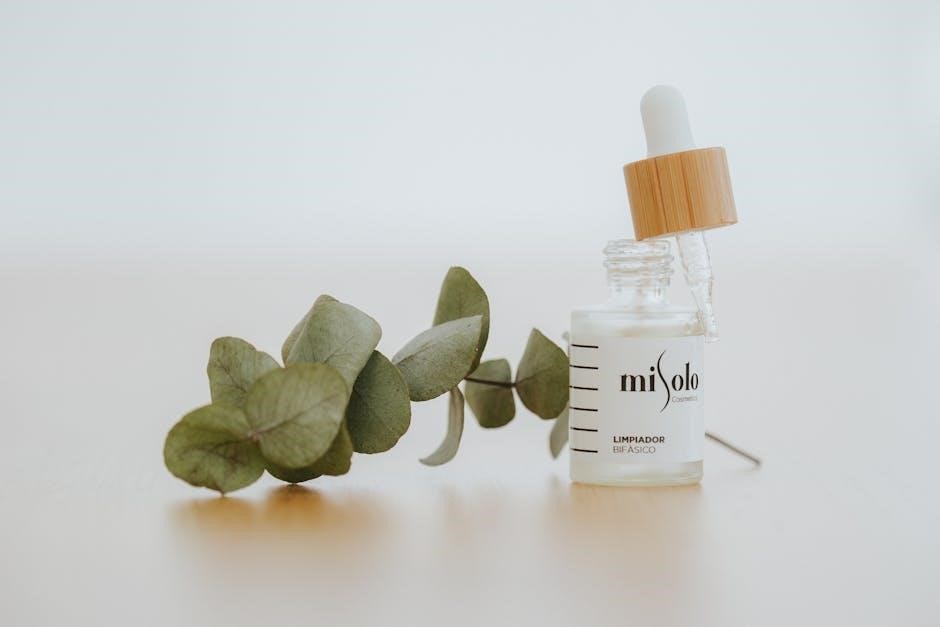
They explain how absorption occurs through the skin, delivering therapeutic benefits locally and systemically․ Resources often include recipes for massage oils, balms, and compresses․ Safe and effective application is paramount, and guides provide detailed instructions to ensure a positive experience․
Aromatic Diffusion
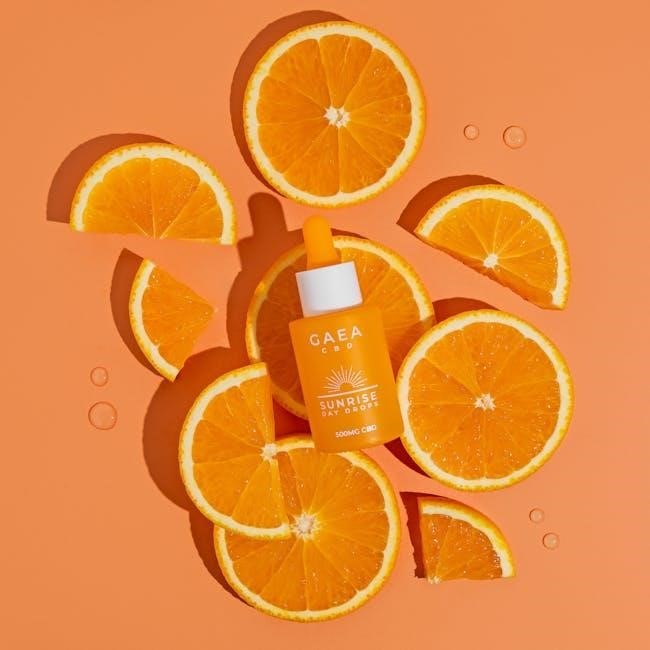
Free essential oil guides highlight aromatic diffusion as a gentle, non-invasive application method․ They explain how inhaling essential oil molecules stimulates the limbic system, impacting mood, emotions, and even physiological functions․ Guides detail various diffusion methods – ultrasonic, nebulizing, and evaporative – outlining the pros and cons of each․
Information covers appropriate diffusion times and safety considerations, such as ventilation and pet safety․ Resources often suggest oil blends for specific purposes, like relaxation, focus, or immune support․ Modern Essentials emphasizes this as a quick way to experience benefits․
Internal Use (with Caution)
Free essential oil guides universally stress extreme caution regarding internal use․ While some traditions incorporate ingestion, guides emphasize it’s not a primary application method and requires expert knowledge․ Modern Essentials details this, advocating for professional guidance․
Guides outline potential risks, emphasizing dilution is crucial – typically with a carrier oil like coconut or olive oil․ They highlight that only specific oils, at very low doses, are considered for internal use․ Resources strongly advise against self-treating and prioritize topical and aromatic methods for safety and efficacy․
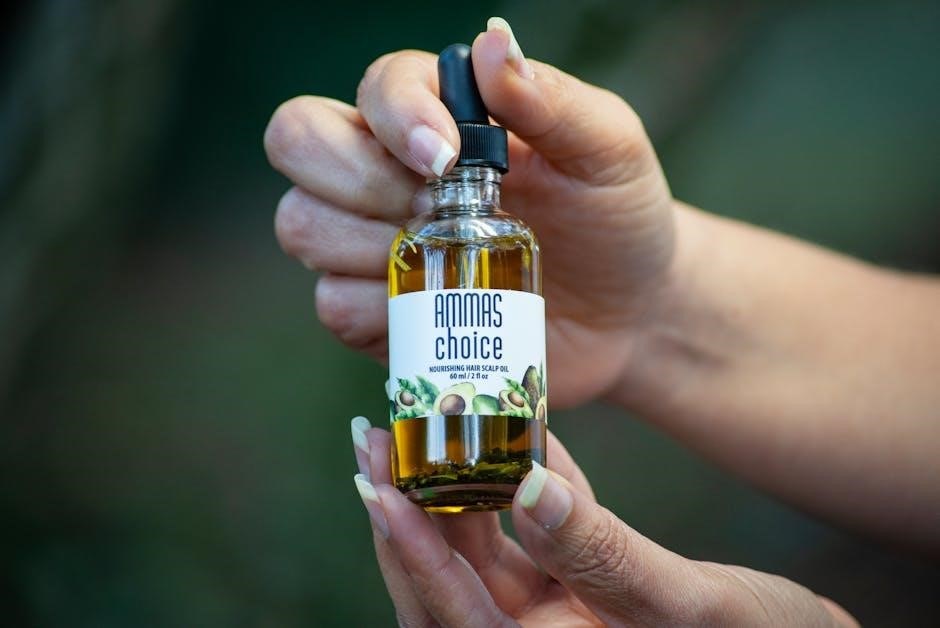
Daily Essential Oil Lifestyle Tips
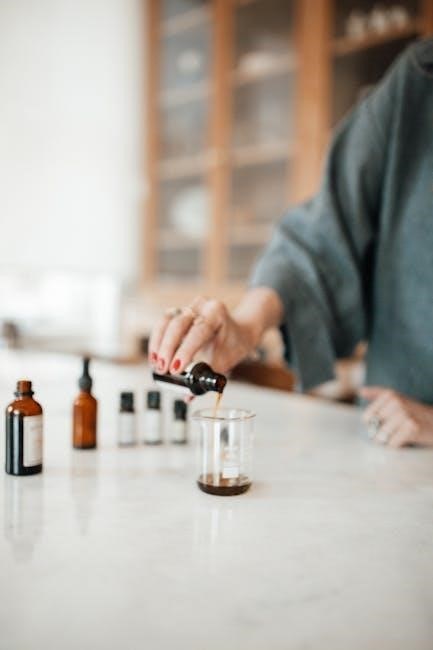
Free essential oil guides frequently offer practical integration tips for daily routines․ Modern Essentials suggests adding oils to laundry detergent for a fresh scent or incorporating them into homemade cleaning solutions․ Diffusing oils like eucalyptus can support respiratory health during colder months, as highlighted in various guides․
Many guides recommend creating personalized aromatherapy blends for focus during work or relaxation before bed․ Simple additions to your skincare routine, like a drop of lavender in moisturizer, are also common suggestions․ These guides empower users to seamlessly weave aromatherapy into everyday life․
Essential Oil Inventory Management
Free essential oil guides often recognize the need for organized storage․ Loving Essential Oils provides printable checklists to track your collection, noting purchase dates and usage․ This prevents oils from expiring before use and helps avoid unnecessary duplication․
Guides emphasize storing oils in dark glass bottles, away from direct sunlight and heat, to preserve their potency․ Categorizing oils by type (floral, citrus, woodsy) or intended use (sleep, energy) streamlines selection․ Maintaining a well-managed inventory ensures you always have the right oil on hand, maximizing your aromatherapy benefits․
Printable Checklists & Organization
Free essential oil guides frequently include printable checklists as a valuable resource․ These checklists, like those offered by Loving Essential Oils, allow users to meticulously document their oil collection․ Key details to track include the oil’s name, purchase date, supplier, and even the batch number for quality control․
Organization is key! Guides suggest categorizing oils – perhaps by botanical family, therapeutic property, or frequency of use․ A well-maintained checklist prevents overbuying and ensures you utilize oils before their shelf life expires, maximizing their therapeutic benefits and value․
Safety Considerations When Using Essential Oils
Free essential oil guides consistently emphasize safety as paramount․ Modern Essentials highlights the importance of understanding dermal dose limits – the maximum amount of an oil safe for topical application․ Guides also provide crucial pregnancy & lactation precautions, noting that certain oils should be avoided entirely during these sensitive periods․
Always dilute essential oils with a carrier oil before topical use to prevent skin irritation․ Internal use, while sometimes discussed, is cautioned against without expert guidance․ Thoroughly researching each oil’s safety profile within a reliable guide is essential for responsible aromatherapy․
Pregnancy & Lactation Precautions
Free essential oil guides universally stress caution during pregnancy and lactation․ Certain oils, while generally safe, can pose risks to a developing fetus or nursing infant․ Modern Essentials and resources from Source Vitál Apothecary specifically advise avoiding oils with potentially emmenagogue or hormone-disrupting properties․
Always consult with a qualified aromatherapist or healthcare provider before using any essential oils if pregnant or breastfeeding․ Guides often list oils to avoid or use with extreme dilution, emphasizing that individual sensitivities vary․ Prioritize safety and informed decision-making․
Dermal Dose Limits
Free essential oil guides consistently highlight the importance of dermal dose limits – the maximum amount of essential oil safe for topical application․ Over-dilution can lead to skin sensitization, irritation, or adverse reactions․ Resources like those from Loving Essential Oils provide printable lists including suggested daily maximum dermal doses․
Generally, a 1-3% dilution is recommended for adults, but this varies based on the oil and individual sensitivity․ Guides emphasize using carrier oils (like jojoba or almond oil) to dilute essential oils properly․ Always perform a patch test before widespread application, and heed caution!
Source Vitál Apothecary Guide: “Nature’s Gift to You”
Source Vitál Apothecary offers a valuable free download, “Nature’s Gift to You,” an essential oil eBook crafted by experienced aromatherapists and practitioners․ This guide serves as an excellent starting point for beginners, providing foundational knowledge about essential oils and their applications․
It aims to guide users through the world of aromatherapy, covering various aspects from understanding oil properties to incorporating them into daily life․ Expect insights into safe usage and potential benefits, making it a comprehensive resource for those seeking natural wellness solutions․
Modern Essentials: A Contemporary Guide
“Modern Essentials”, available through the Internet Archive, is a highly accessible guide to therapeutic essential oil use․ Its strength lies in its simple format, allowing quick reference for hundreds of health conditions and safe application methods․
The guide details topical, aromatic, and internal (with caution) application techniques․ It’s structured for easy navigation, offering a “Personal Usage Guide” for specific needs; Bibliographical references and an index enhance its value as a reliable resource for both newcomers and experienced users seeking contemporary aromatherapy information․
Understanding Essential Oil Quality
Free essential oil guides often touch upon quality, a crucial aspect frequently overlooked․ Genuine essential oils are potent, concentrated plant extracts, and their therapeutic benefits depend heavily on purity․ Look for guides that discuss factors like botanical name, country of origin, and extraction method․
Beware of oils labeled as “fragrance oils” or diluted with carrier oils without clear indication․ A quality guide will emphasize the importance of GC/MS testing (Gas Chromatography/Mass Spectrometry) to verify chemical composition and authenticity, ensuring you receive a truly therapeutic product․
Aromatherapy for Beginners: Guide Overview
Free essential oil guides designed for beginners typically offer a foundational understanding of aromatherapy principles․ Expect an introduction to what essential oils are, how they differ from fragrance oils, and their historical context – even referencing biblical uses․
These guides commonly break down application methods: topical, aromatic diffusion, and, with strong cautions, internal use․ A good overview will also include a basic “personal usage guide,” suggesting oils for common conditions, and emphasize safety precautions, particularly regarding pregnancy and dermal limits․
Downloading Your Free Guide: Step-by-Step
Accessing your free essential oil guide usually involves a simple process․ First, locate a reputable source – like Source Vitál Apothecary offering “Nature’s Gift to You․” Look for a clear “Download” button or a link requesting your email address․
Providing your email often initiates an automatic download or delivers a link to your inbox․ Ensure the sender is legitimate to avoid spam․ Once downloaded, the guide is typically a PDF, easily opened on most devices․ Save it to a convenient location for future reference and enjoy learning!
Utilizing the Guide for Specific Needs
Essential oil guides excel at providing targeted solutions․ Modern Essentials’ contemporary guide offers a “Personal Usage Guide” to pinpoint oils for hundreds of health conditions․
Begin by identifying your specific need – whether it’s sleep support, stress relief, or skincare․ Then, consult the guide’s index or search function․ Pay attention to recommended application methods (topical, aromatic, or – with caution – internal)․ Remember dermal dose limits and safety precautions, especially during pregnancy or lactation, as highlighted in many guides․
Essential Oils for Common Ailments (Guide Focus)
Free essential oil guides frequently focus on addressing everyday health concerns․ Modern Essentials specifically details oil applications for “hundreds of health conditions,” offering practical solutions․
Expect to find guidance on using oils for headaches, muscle soreness, digestive issues, and skin irritations․ Guides often categorize ailments, making it easy to locate relevant oil blends and application techniques․ Remember to prioritize safety; guides emphasize cautious internal use and provide dermal dose recommendations․ Always cross-reference information and consult a healthcare professional when needed․
Building Your Essential Oil Toolkit (Guide Recommendations)
Free essential oil guides often suggest a starter kit of versatile oils․ Patchouli, eucalyptus, and tea tree oil are frequently highlighted for their broad applications․
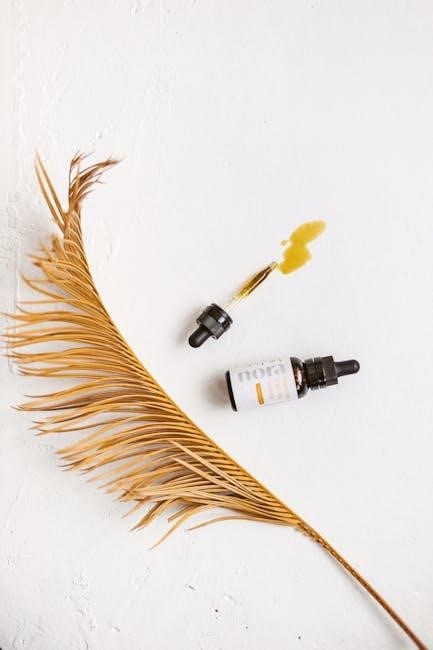
Beyond the oils themselves, guides recommend essential accessories: roller bottles for topical application, a diffuser for aromatic benefits, and carrier oils like jojoba or almond oil for safe dilution․ Printable checklists, often included, aid in inventory management․ Consider purchasing a dark glass storage container to protect oil potency․ Prioritize quality; guides implicitly encourage sourcing from reputable suppliers․
Essential Oil Blending Basics (Guide Insights)
Free essential oil guides emphasize that blending isn’t random; synergy is key․ They often explain how oils can complement each other, enhancing therapeutic effects․
Guides typically suggest starting with a small number of oils – 2-3 – and focusing on desired outcomes․ Categorizing oils by ‘top,’ ‘middle,’ and ‘base’ notes helps create balanced aromas․ Dilution ratios are crucial, with carrier oils forming the bulk of the blend․ Experimentation is encouraged, but always document recipes and observe skin reactions․ Safety is paramount; guides stress researching each oil’s properties before blending․
Resources for Further Learning (Beyond the Guide)
Free essential oil guides are a starting point, but continuous learning is vital․ The Internet Archive offers resources like “Modern Essentials,” providing in-depth therapeutic uses․
Websites like Loving Essential Oils provide extensive information and printable checklists for inventory management․ Aromatherapy organizations offer courses and certifications for advanced study․ Books by reputable aromatherapists expand knowledge beyond basic guides․ Online forums and communities allow for sharing experiences and asking questions․ Remember to critically evaluate sources and prioritize safety information from qualified professionals․
Common Essential Oil Terminology (Guide Glossary)
Essential oil guides often include a glossary․ Key terms include “therapeutic grade,” denoting purity, and “carrier oil,” used for dilution in topical applications․ “Dermal dose” refers to the safe amount for skin application, crucial for safety․
Understanding “extraction methods” – steam distillation, cold pressing, etc․ – clarifies oil quality․ “Aromatherapy” is the therapeutic use of oils․ Familiarize yourself with terms like “volatile compounds” and “olfactory system․” A free essential oils guide should define these, empowering informed usage and safe practices within your aromatherapy journey․
Essential Oil Storage & Handling (Guide Tips)
A comprehensive free essential oils guide emphasizes proper storage․ Essential oils degrade with exposure to light, heat, and air․ Store oils in dark glass bottles, tightly sealed, in a cool, dark place․ Avoid plastic containers, as oils can break them down․
Handle oils with care, avoiding direct skin contact without dilution․ Keep out of reach of children and pets․ A guide will often suggest printable checklists for inventory management, tracking purchase dates and usage․ Proper handling ensures oil potency and safety for long-term aromatherapy benefits․
Troubleshooting Common Issues (Guide Solutions)
A valuable free essential oils guide addresses potential problems․ Skin sensitivity? Dilute further with a carrier oil․ Weak aroma? Check the bottle seal and storage conditions – degradation may have occurred․ Unexpected reactions? Discontinue use immediately and consult a healthcare professional․
Guides often offer solutions for blending mishaps or identifying adulterated oils․ Understanding quality control is key․ A good guide provides resources for identifying reputable suppliers and recognizing signs of compromised oil purity, ensuring a safe and effective aromatherapy experience․
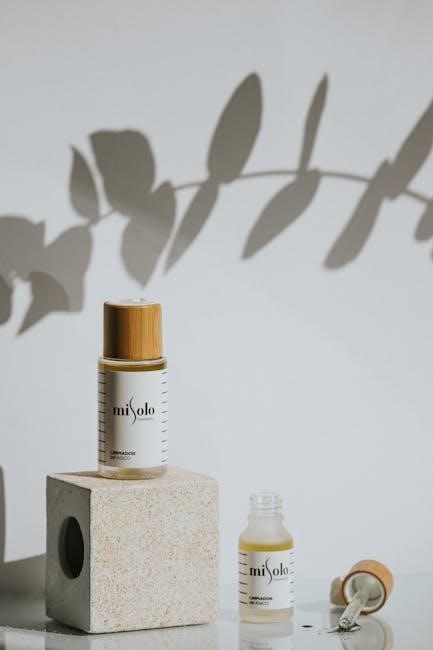
Empowering Your Essential Oil Journey
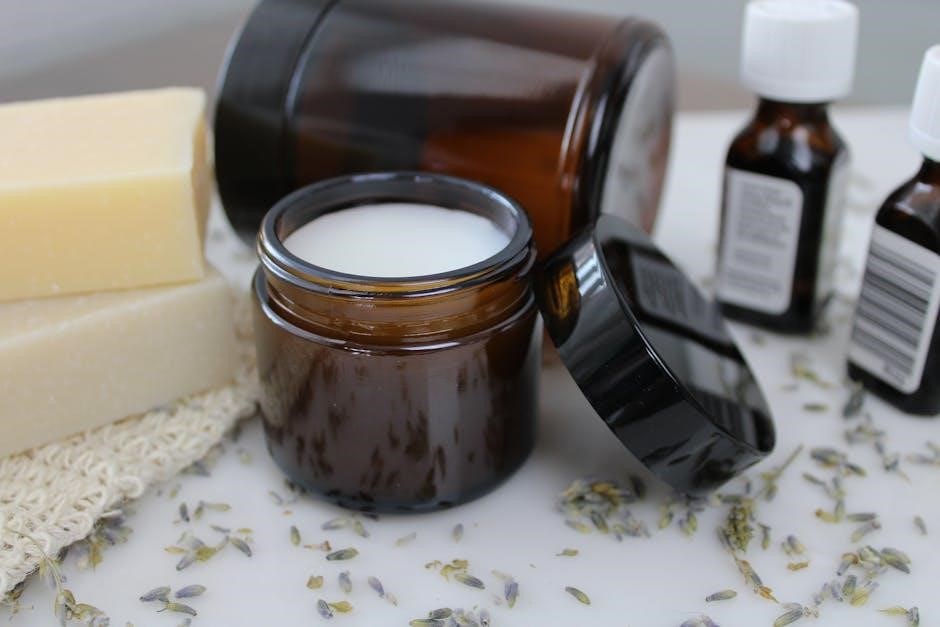
Downloading a free essential oils guide is just the beginning! These resources empower you to confidently navigate the world of aromatherapy, fostering a holistic approach to wellness․ Remember, knowledge is key to safe and effective use․
By utilizing these guides, you’re equipped to create personalized blends, address common ailments, and build a sustainable essential oil lifestyle․ Continue exploring, learning, and trusting your intuition․ Embrace the natural power of essential oils and unlock their potential for a healthier, more balanced life!