
The Huskee 22‑Ton Log Splitter Manual provides comprehensive guidance for safe, efficient operation․ It covers equipment specs, safety decals, PPE, log prep, work area layout, hydraulic procedures, maintenance, fire prevention, and towing protocols․ Designed for industrial it ensures operator safety․
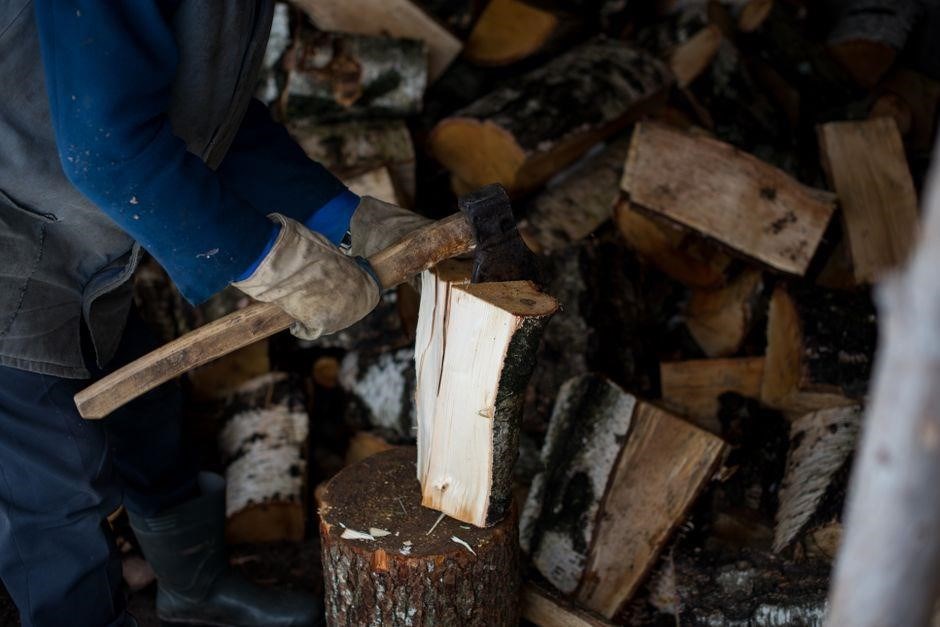
Important Safety Information
Key safety guidelines for the Huskee 22‑Ton Log Splitter are outlined here․ Always wear PPE, observe decals, and follow lock‑out procedures․ Keep the area clear, use proper log placement, and monitor hydraulic pressure to prevent accidents․ Never operate near water or in wet conditions․ All guards set now!!!!
2․1 Safety Decals and PPE Requirements
All Huskee 22‑Ton Log Splitter units are equipped with mandatory safety decals that identify critical hazards and operational limits․ The decals include: “Maximum Load 22 tons”, “Hydraulic Pressure 2000 psi”, “Operator Must Wear PPE”, and “Keep Clear of Moving Parts”․ These decals are affixed to the frame, hydraulic reservoir, and operator console for constant visibility․ They serve as a quick reference for operators and maintenance personnel, ensuring compliance with OSHA and manufacturer safety standards․
Personal Protective Equipment (PPE) requirements are strictly enforced․ The operator must wear a hard hat with a chin strap, safety glasses or a face shield, double‑layer gloves rated for hearing protection, steel‑toed safety boots․ All PPE should be inspected before each shift for wear, tear, and proper fit․ Failure to comply with PPE guidelines may result in severe injury or equipment damage․ Safety is paramount all!!․!!!
For maintenance crews, additional PPE includes a respirator rated for chemical exposure, protective gloves, and a high‑visibility vest; When performing hydraulic line work, ensure that the pressure relief valve is engaged and the system is depressurized․ All personnel must be trained on the location and function of the safety decals and the proper use of PPE․ This training is documented and reviewed annually to maintain a safe operating environment․ All safety measures are vital operation․!!
General Safety Precautions
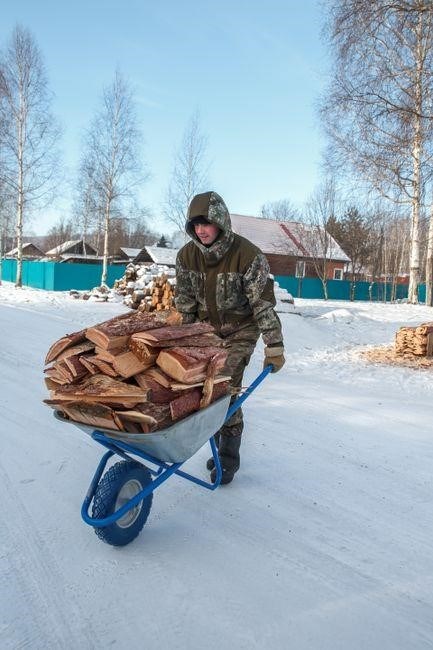
Before operating the Huskee 22‑Ton Log Splitter, ensure the machine is on a level, stable surface and all guards are in place․ Keep the work area free of obstructions and maintain a clear escape route․ Operators must lock out the power source and tag the unit before any maintenance․ The hydraulic reservoir should be inspected for leaks, and the pressure relief valve must be functional․ All personnel should be trained in emergency shutdown procedures and the location of the emergency stop button․ The machine’s manual and safety decals should remain within sight at all times․ Report any abnormal noise or vibration immediately․ Do not use the machine if it is damaged or if any safety guard is missing․ Keep the hydraulic lines free of kinks and damage, and ensure the fluid is clean and at the correct level․ Maintain a clean work area to prevent slips, trips, and falls․ Wear appropriate PPE, including hearing protection, eye protection, gloves, and steel‑toed boots․ Keep a fire extinguisher within reach․ Follow all local regulations and manufacturer guidelines to ensure safe operation․

Intended Use and Operational Limits
The Huskee 22‑Ton Log Splitter is built for heavy‑duty log splitting in industrial settings․ It handles straight logs up to 22 tons, 48 inches long, 10 inches diameter․ The machine runs on a 3‑phase 460 V, 60 Hz supply, requiring a dedicated 60 A circuit․ Operate on a level foundation with 4‑foot front clearance and 6‑foot side clearance․ Do not split wet, soft, or metal‑containing logs․ Operators must train in log placement, blade alignment, and emergency shutdown․ The hydraulic system is rated 3000 psi; prime the pump before each run․ Max speed 0․5 m/s; limit continuous use to 4 hours without break․ Inspect daily for hydraulic integrity, blade wear, guard condition․ Follow manufacturer limits to avoid damage or injury․ Proper use within limits ensures efficient, safe, reliable splitting․
When operating the Huskee 22‑Ton Splitter, keep a safe 3‑foot distance from the blade․ The feed mechanism delivers logs at 1–2 per minute․ Safety interlocks stop the blade unless the guard is closed and hydraulic pressure is within range․ Over‑pressure protection trips above 3500 psi․ Monitor fluid level and temperature; overheating can cause failure․ Do not exceed 80 % of the 22‑ton capacity during continuous runs․ Inspect logs for cracks before feeding; defects can damage the blade or injure the operator․ Keep the work area free of debris and ensure the machine’s emergency stop is easily reachable․ Always check hydraulic fluid level and pressure before starting the machine daily․ In case of a hydraulic leak, shut off the pump immediately and address the leak before resuming operation․ Follow all guidelines․

Preparation of Logs for Splitting
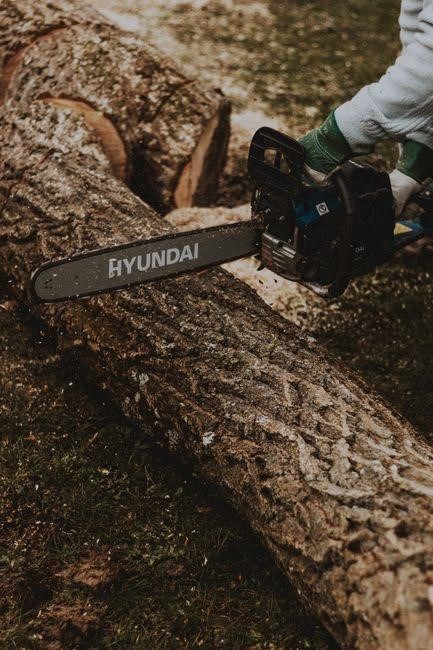
Before feeding logs into the Huskee 22‑Ton Splitter, perform a systematic preparation routine to ensure safety and optimal performance․ First, inspect each log for defects such as knots, cracks, or rot; discard or repair any that could compromise blade integrity․ Measure length and diameter; logs must not exceed 48 inches long or 10 inches in diameter, and should be straight to avoid uneven splitting․ Dry logs to a moisture content below 15 % to reduce splintering and hydraulic load․ Mark the log with a high‑visibility tape at the intended split line, ensuring the tape is firmly adhered and not flaking․ Position the log on the feeding platform with the marked side facing the blade․ Secure the log with a clamp or a weighted pad to prevent movement during the split․ Verify that the log is centered on the platform; misalignment can cause blade damage or operator injury․ Finally, confirm that the hydraulic system is primed, the guard is closed, and the emergency stop is accessible before initiating the split․ Following this preparation protocol minimizes risk and maximizes the machine’s efficiency․
All logs should be positioned with the split line facing the blade and the log’s center aligned with the feed chute․ Keep the work area clear of obstructions․ Inspect the hydraulic fluid level and pressure before each run; a low fluid level can cause overheating and blade damage; Finally, confirm that the guard is fully closed and the emergency stop is within reach․
place hands near the blade; keep guard closed during operation․!․

Work Area Setup and Safety
Setting up the work area for the Huskee 22‑Ton Log Splitter is critical for operator safety and equipment longevity; Begin by selecting a flat, level surface that can support the machine’s 22‑ton weight without shifting․ Mark a 10‑foot perimeter with high‑contrast paint or tape to delineate a safe zone; keep all personnel and equipment outside this boundary during operation․ Install a reinforced guard rail around the splitter to prevent accidental contact with the blade․ Ensure the guard is fully latched and the emergency stop lever is within arm’s reach․ Position the hydraulic reservoir and fuel tank on a stable platform, away from the splitter’s swing path, and secure them with straps to avoid spills․ Clear the area of debris, loose tools, and any flammable materials; a clean environment reduces fire risk and prevents tripping hazards․ Place a spill containment mat beneath the machine to catch any hydraulic fluid leaks․ Verify that the grounding strap is connected to a grounded earth point to mitigate static discharge․ Finally, install a clear signage system indicating “No Entry” and “Emergency Stop” zones, and provide a first‑aid kit and fire extinguisher within easy reach․ Adhering to these setup steps ensures a safe, efficient operation and protects both personnel and equipment․
Ensure that the work area remains clear of obstructions and that all personnel are trained in emergency procedures before each use․ Inspections of the guard, hydraulic lines, and footing will extend machine life and protect staff
Operation of the Log Splitter
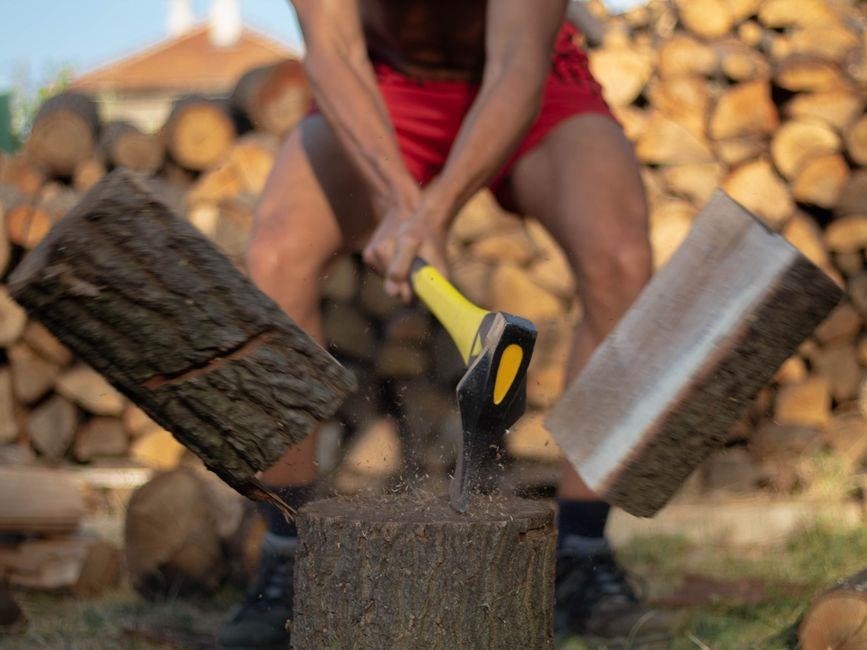
Begin by securing the log in the cradle, aligning the blade with the log’s center․ Engage the hydraulic pump, then activate the splitter lever․ The blade will descend, splitting the log into two halves․ Release the lever after completion, allowing the blade to retract safely․ All guards must be secure!
7․1 Starting and Running Procedures
Before starting the Huskee 22‑Ton Log Splitter, ensure the machine sits on a level surface and all safety guards are in place․ Verify that the hydraulic reservoir is filled to the marked level and that the oil filter is clean․ Connect the power supply, check the emergency stop switch, and confirm that the control lever is in the neutral position․ Engage the hydraulic pump by turning the power switch to the ON position; allow the system to build pressure before proceeding․ Position the log on the cradle, aligning the split line with the blade․ Secure the log with the locking pins and ensure the log is firmly held․ With the hydraulic pressure established, pull the control lever to initiate the split․ The blade will descend automatically, splitting the log into two halves․ Once the blade has reached the bottom, release the lever to allow the blade to retract․ Repeat the process for each log, allowing the machine to cool between operations if necessary․ Always keep the work area clear of debris and maintain a safe distance during operation․ Operators must wear cut‑resistant gloves, safety glasses, hearing protection, and steel‑toed footwear․ Ensure that the hydraulic hoses are free of kinks and that all fittings are tight․ Check that the emergency stop button is functional and that the control panel displays no fault codes․ Verify that the log is positioned within the machine’s rated dimensions (maximum log diameter 24 inches, length 4 feet)․ Use the log cradle to center the log; if the log is uneven, adjust the cradle height accordingly․ The hydraulic pump should be primed before the first use; if air is present, bleed the system until a steady pressure is achieved․ During operation, monitor the hydraulic pressure gauge; if pressure drops below 1500 psi, pause the machine and investigate the cause․ After each log, inspect the blade for chips or burrs and clean the blade with a soft brush to remove debris․ Maintain a clean work area to prevent accidental slips or entanglement with moving parts․ When the machine is idle, keep the area free of combustible materials and ensure proper ventilation to dissipate any fumes from hydraulic fluid․ Follow the manufacturer’s recommended maintenance schedule, which includes daily checks of fluid levels, weekly inspection of hydraulic hoses, and monthly replacement of the hydraulic filter․ By adhering to these procedures, operators can safely and efficiently use the Huskee 22‑Ton Log Splitter while minimizing wear and extending equipment life․
7․2 Hydraulic System Operation
The Huskee 22‑Ton Log Splitter relies on a robust hydraulic system to drive the blade․ The system consists of a high‑pressure pump, a reservoir, a filter, and a network of hoses and fittings․ Prior to operation, verify that the reservoir is filled to the “Full” mark and that the filter is clean; a clogged filter can reduce pressure and damage the pump․ The pump is primed automatically when the power switch is turned on, but if air is detected in the lines, bleed the system by opening the bleed valve until a steady stream of oil appears․ The hydraulic pressure gauge should read between 1500 and 2500 psi during normal operation; any deviation indicates a potential leak or blockage․ The blade is actuated by a single lever that controls the hydraulic cylinder․ Pulling the lever initiates a rapid pressurization of the cylinder, causing the blade to descend․ Releasing the lever allows the cylinder to retract, raising the blade․ The system includes a pressure relief valve set at 2600 psi to protect against over‑pressure․ Operators must keep the hydraulic hoses free of kinks and inspect them regularly for cracks or wear․ The hydraulic fluid should be changed every 500 hours of operation or if contamination is observed․ The system’s safety features include an emergency stop that immediately cuts power to the pump, and a lock‑out tag that prevents accidental re‑start․ Proper operation of the hydraulic system ensures efficient splitting, reduces wear on components, and extends the life of the machine․ Follow the manufacturer’s maintenance schedule and replace any worn parts promptly to maintain safe and reliable performance․ Regular pressure checks, leak inspections, and filter replacements keep the hydraulic system reliable, preventing downtime and ensuring operator safety․ Operators should log each cycle’s pressure and fluid level for compliance daily!․
Repair and Maintenance Safety
Disconnect power and bleed hydraulics before repairs․ Wear gloves, goggles, steel‑toed boots․ Inspect lines for leaks, replace worn seals, and keep the reservoir clean․ Follow lock‑out procedures to avoid accidental startup․ Use only approved parts and log all maintenance daily!
8․1 Routine Inspection Checklist
Daily inspections ensure the Huskee 22‑Ton splitter operates safely․ Verify the hydraulic reservoir level and clear fluid․ Inspect hoses for cracks or wear, and confirm fittings are tight․ Check the pressure relief valve opens at the specified pressure․ Examine the blade for chips or excessive wear; replace if compromised․ Verify the blade guard is fastened and latch engages․ Inspect operator seat and guard rails for integrity․ Confirm the emergency stop lever functions and safety decals are legible․ Check the hydraulic filter for clogging․ Inspect the frame for cracks or deformation, and verify all mounting bolts are secure․ Ensure the safety interlock system is active․ Test the hydraulic pump’s idle speed and listen for abnormal noises․ Record findings in the maintenance log and schedule corrective action if needed․
Additionally, inspect the electrical connections for corrosion, ensure the battery is charged, and verify the control panel displays correct readings․ Check the hydraulic filter for clogging, and replace if necessary․ Inspect the frame for cracks or deformation, and verify all mounting bolts are secure․ Ensure the safety interlock system is active and that the operator’s manual override functions correctly․ Document each inspection step in the logbook, noting any deviations and corrective measures taken!
8․2 Common Repairs and Troubleshooting
When the Huskee 22‑Ton splitter exhibits performance issues, follow these troubleshooting steps․ First, inspect the hydraulic system for leaks, low fluid, or clogged filters․ Replace the filter if pressure drops or the fluid appears contaminated․ Next, verify the blade alignment by measuring the clearance between the blade and the frame; adjust the blade mounting bolts if misaligned․ If the splitter stalls during operation, check the hydraulic pump for wear or damage; replace the pump if the impeller is damaged․ For abnormal noises, inspect the motor bearings and replace if worn․ If the safety interlock fails, examine the switch contacts for corrosion and clean or replace as needed․ For uneven splitting, ensure logs are properly positioned and the splitter is level; adjust the base supports accordingly․ If the hydraulic pressure does not reach the set point, inspect the pressure relief valve and adjust the set pressure․ Finally, if the splitter’s control panel displays error codes, consult the diagnostic guide and replace the corresponding component․
Next, verify the blade alignment by measuring the clearance between the blade and the frame; adjust the blade mounting bolts if misaligned․ If the splitter stalls during operation, check the hydraulic pump for wear or damage; replace the pump if the impeller is damaged․ For abnormal noises, inspect the motor bearings and replace if worn․ If the safety interlock fails, examine the switch contacts for corrosion and clean or replace as needed․ For uneven splitting, ensure logs are properly positioned and the splitter is level; adjust the base supports accordingly․ If the hydraulic pressure does not reach the set point, inspect the pressure relief valve and adjust the set pressure․ Finally, if the splitter’s control panel displays error codes, consult the diagnostic guide and replace the corresponding component․
To summarize, always keep the hydraulic system clean, regularly replace filters, and ensure all safety interlocks are functional․ If any component shows wear or abnormal behavior, stop the machine, inspect thoroughly, and replace parts as recommended․ Maintaining a detailed log of inspections and repairs will help prevent future failures and extend the life of the splitter․ Document all maintenance in the service log daily․ quick
Fire Prevention and Towing Safety
Operating a Huskee 22‑Ton log splitter demands strict fire‑prevention and towing safety․ Keep the work area clear of combustible debris; sweep logs, sawdust, and oil drips daily․ Store flammable liquids in sealed, vented containers away from the machine․ Install a Class B fire extinguisher within 30 ft and train operators on its use․ Inspect hydraulic lines for leaks before each run; any fluid spillage must be cleaned immediately to avoid ignition․
When towing the splitter, secure the unit with a heavy‑duty chain or strap that attaches to a reinforced hitch point on the chassis․ Verify the towing vehicle’s brakes are fully functional and that the trailer’s braking system is engaged if applicable․ Keep the path clear of obstacles and maintain a safe following distance․ Use a tow‑bar with a locking mechanism to prevent accidental disengagement․ During towing, avoid sudden stops or sharp turns that could damage the hydraulic pump or blade mounting․
After towing, perform a post‑towing inspection: check the hydraulic fluid level, ensure no leaks, and confirm all safety interlocks are intact․ If the splitter has been exposed to high temperatures, allow it to cool to ambient before maintenance․ Document each towing event in the log, noting distance traveled, incidents, and towing equipment condition․ Regularly review fire‑prevention procedures with personnel and conduct fire‑drill exercises to reinforce safe practices․ Safety is paramount!!